

Your cart is currently empty!


Ghee and Butter Processing from Milk
Fr 30,000
In many African cultures, especially in Rwanda, dairy products hold a special place in daily life. Among the most treasured dairy products are butter and ghee (clarified butter), which have been used for centuries in cooking, medicine, and ceremonial practices. At Umurishyo Arts Gallery & Coffee Lounge, we invite you to experience the process of…
Description
The Tradition and Cultural Significance of Ghee and Butter
In Rwanda, dairy farming is an essential part of rural life. Cows are not just a source of milk, but are considered symbols of wealth and prosperity. Butter is often made from cow’s milk, while ghee, a form of clarified butter, is typically made from the butter itself. Both have a rich history and cultural value:
-
Butter: It is a staple in Rwandan cuisine and is used in many traditional dishes, from sauces to pastries. Butter is also often used in rituals and ceremonies, especially when offering respect to elders or guests.
-
Ghee: Ghee is highly valued for its medicinal properties and is used in a variety of cultural and religious practices. It is considered purifying and nourishing and is often used in cooking or applied to the skin for its soothing properties. Ghee is also known for its long shelf life and rich flavor.
The Ghee and Butter Processing Experience at Umurishyo
At Umurishyo Arts Gallery & Coffee Lounge, our hands-on experience gives you the opportunity to create your own butter and ghee from fresh milk, using traditional methods that have been passed down through generations.
1. Fresh Milk and the Traditional Churning Process
The first step in making butter is to churn fresh milk cream. Here’s how we do it:
-
Churning Fresh Milk: You’ll begin by separating the cream from fresh cow’s milk. Traditionally, this is done using a wooden churn or calabash, a simple yet effective method that has been used for centuries. Our artisans will demonstrate how to churn the cream by hand, and you’ll have the chance to get involved in the process.
-
The Science of Churning: You’ll learn how churning works to separate the butterfat (cream) from the buttermilk, turning it into butter. The whole process is rhythmic and relaxing, a perfect example of how tradition meets patience and skill.
2. Making Butter from Fresh Cream
Once the cream has been churned, the next step is to form the butter.
-
Forming the Butter: The cream will be worked and kneaded by hand to remove any remaining buttermilk. This step is important to ensure the butter has the right texture and consistency.
-
Flavoring the Butter: You’ll also learn how to flavor the butter, if desired, using natural herbs or spices. This step is optional but adds a personal touch, giving the butter unique flavors that complement Rwandan cuisine.
3. Creating Ghee (Clarified Butter) from Butter
Once you’ve made the butter, the next step is to create ghee, which is essentially butter with all the water and milk solids removed. Ghee has a higher smoke point than regular butter, making it ideal for cooking at high temperatures.
-
Melting the Butter: Ghee is made by slowly melting the butter over low heat. As it melts, the milk solids will separate from the clear golden liquid. You’ll watch as the butter transforms into ghee.
-
Straining the Ghee: Once the milk solids have settled at the bottom, the ghee is carefully strained to remove any remaining particles. The result is a pure, golden, and aromatic fat that can be stored for long periods.
4. Tasting the Products
After the ghee and butter are processed, it’s time for a tasting session! You’ll taste the difference between fresh butter, ghee, and even buttermilk.
-
Traditional Rwandan Tasting: Pair the butter with some Ubugari (traditional Rwandan porridge) or Ibihaza (pumpkin stew) to see how Rwandans incorporate these dairy products into their meals.
-
Ghee Tasting: Ghee has a distinct, rich flavor that’s different from butter. You’ll taste it on bread, with vegetables, or even with a local dish to understand its versatility and depth.
Why Ghee and Butter Processing at Umurishyo?
-
Cultural Experience: This workshop provides more than just a cooking lesson. It’s an opportunity to engage with Rwanda’s agricultural heritage and the role that dairy products play in the country’s traditions.
-
Hands-On Learning: This is a truly interactive experience, where you’ll be involved in every step of the process. From churning the milk to creating the final product, you’ll gain valuable skills and knowledge.
-
Connection to Local Artisans: By learning from local artisans and food experts, you’ll gain insight into traditional methods that are still practiced in Rwandan homes today. You’ll also learn how the community uses ghee and butter in both culinary and medicinal contexts.
-
Health Benefits of Ghee: Ghee is revered in many cultures for its health benefits. It’s believed to aid digestion, promote skin health, and even improve mental clarity. This workshop provides the opportunity to learn about the many benefits of these traditional dairy products.
What You’ll Take Home
At the end of the session, not only will you have made your own butter and ghee, but you’ll also:
-
Learn about Traditional Dairy Farming: Gain insights into how dairy farming is a key part of Rwandan life, and the role of cows in both the economy and culture.
-
Receive Recipes: Take home recipes that incorporate ghee and butter, so you can use your creations in your own kitchen.
-
Take Home Your Own Ghee or Butter: You’ll also get a small jar of fresh ghee or butter to take home as a personal memento of your experience.
Book Your Ghee and Butter Processing Experience Today!
Join us at Umurishyo Arts Gallery & Coffee Lounge to explore the time-honored process of making ghee and butter from fresh milk. Whether you are interested in learning about Rwanda’s dairy traditions, trying your hand at traditional methods, or just enjoying a cultural experience, our workshop offers something for everyone.
Related products

Umurishyo Full Package
Fr 50,000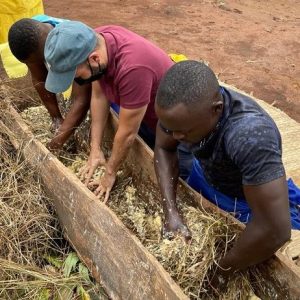
Traditional Brewing a Banana Beer and Tasting
Fr 50,000
Knitting and Crochet
Fr 30,000
Mat Weaving / Kuboha Umusambi
Fr 30,000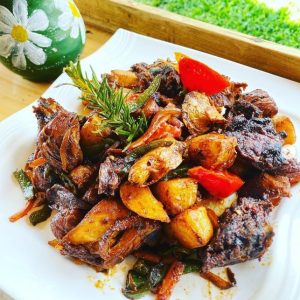
Cooking Local Food and Tasting
Fr 50,000
Reviews
There are no reviews yet.